

Why Introducing Your Baby to Books Matters
- Kim Woolley
- Dec 9, 2025
- 3 min read
Updated: Dec 16, 2025
One of the first things readers need to learn is what a book is.
What is a book? It seems like a pretty simple question. We all know what a book is. But for a child who is just learning how to explore the world, a book is just as new as any other object on the planet.


We learn to identify and categorise things by remembering their features. We learn that an animal with four legs, a tail, and fur is called a dog. In psychology, this is referred to as a schema. It's the reason why a child meeting a cow for the first time might mistakenly call it a dog; after all, it has four legs, a tail, and fur! In this case, an adult will usually correct the child, and teach them about the concept of a cow: similar to a dog, but bigger, with hooves, and makes a loud "Moo" sound instead of a "Woof"! The child then adds this new information to their schema and adapts it, improving their understanding of the world. The next time they meet a cow, they know what it is!
The same process happens with every new item a child encounters, and that includes books. Before a child can begin to read, they first need to learn what a book is, and what it's for. We learn by experiencing new experiences through our senses, so your child needs opportunities to explore books. Let them discover what a book looks like, feels like, sounds like, smells like, and yes, even tastes like!
Give your young child board books and bath books that are tough enough for them to explore. Read aloud to them. It doesn't matter what it is! You can read to them from a picture book, a magazine, even your favourite novel. Through play and exploration, your child will develop their concept of what a book is: full of words, sentences, and stories, usually made of paper, with pages bound together by a cover. More importantly, they will begin to associate books with language, connection, and enjoyment.

Great Books for Early Explorers
High Contrast Books: These books feature clear, high contrast illustrations that are usually black and white. Since babies under the age of 12 months are still developing their vision, high contrast illustrations appear clearer and are more easily understood.
Board Books: Many popular picture books are also available in board book format. These books are made from think cardboard, making them much more durable for little hands to explore.


Touch-and-Feel Books: These books have illustrations that contain different textures for the reader to explore. Young readers are more likely to be engaged with the story when they can feel what's going on.



Bath Books: Bathtime is another great way to incorporate reading into your daily routine! These books are made from durable materials that can stand getting wet or being chewed on, so they're perfect for your baby to explore.


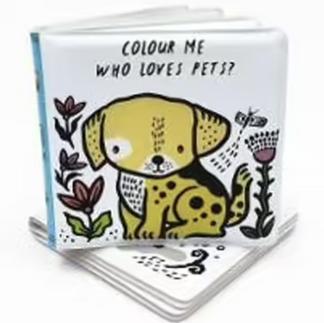


(All of the books above can be found here. I do not make any profit if you make a purchase.)
Now that our young readers are building their understanding of what a book is, we can move on to the parts of a book. If you want some tips on how to feel more confident reading to your child, try this article!

Comments