

Five Tips to Build Your Reading Confidence
- Kim Woolley
- Apr 2, 2025
- 3 min read
Updated: Dec 6, 2025

Not everyone has had a good experience with learning to read. Many of us are able to read, but lack the confidence or skills to do so easily.
Many years ago, I had a friend who asked me how to help her child grow to love reading. I told her the same thing I told every parent who asked. "Read to her," I said. "The single best thing you can do to help your daughter on her literacy journey is to read to her."
"I can't!" She'd replied. "I'm no good at reading. I don't want her to struggle the way I have."
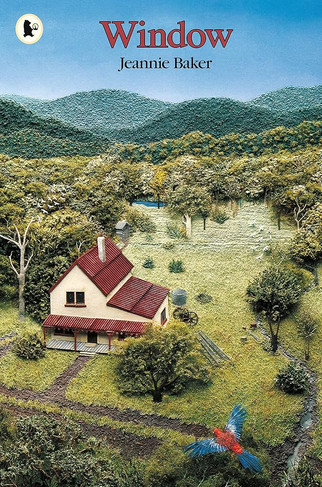
Her worry was real, and I knew she wasn't alone. There are countless parents who struggle with reading and want to protect their children from experiencing that same struggle. There are educators who have degrees and qualifications, but still struggle through reading out loud to a class. They push themselves to read to their children and students, but every session is a struggle that only decreases their confidence. I don't want that to happen to you! That's why I'm here to share some tips and tricks to build your confidence in reading with your child, to make it an enjoyable, comfortable experience for your both. 1: Go wordless The content of what you read matters less than the fact that you ARE reading. Try something without any words at all, like The Arrival by Shaun Tan, or Window by Jeannie Baker. Your child will still be absorbing a wealth of information about how books and language work as you turn the pages together and explore the pages, discussing what is happening in every image.



2: Practice ahead of time
One of the most important things I learnt as a teacher was to never go in blind! I remember one memorable lesson where I had planned to focus on full stops, only to discover that the book I had chosen didn't include any punctuation! Always read the book yourself BEFORE you try to read it out loud. Give yourself the time to practice any unfamiliar words and get comfortable with the flow of the story.
3: Use audiobooks and videos
Don't be afraid to use an audio book or video recording as an accompaniment. Put it on in the background while you sit with your child, following along with the pictures and text in your book. Or listen to the audiobook yourself beforehand and practice reading along with it. You could even check out Jordan Simmons who has a collection of children's books transformed into raps.
4: It's okay to keep it simple
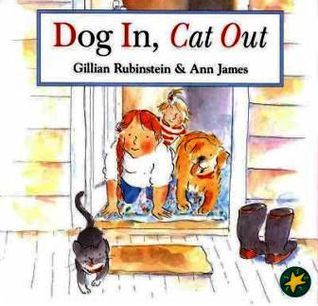
There are many picture books that use simple language and few words. Dog In, Cat Out by Gillian Rubenstein and Ann James tells a story with only four words! Others like Rod Campbell's Dear Zoo or Eric Carle's The Very Hungry Caterpillar rely heavily on repetition, making them easy to master and remember. And speaking of repetition, one of the greatest things about reading to children is that they thrive on repetition, so you can read the same book over and over again. You'll likely discover that you'll tire of it long before they do!




5: Rely on rhyme
Many picture books use rhyming texts to tell a story. The natural flow of these texts can help with reading them aloud, especially if you're a person with a musical streak! Other books are actually written using the lyrics of popular songs, which might mean you already know the words by heart! And, of course, don't forget those based on classic nursery rhymes like "The Wheels on the Bus", "The Itsy Bitsy Spider", or "There was an Old Lady who Swallowed a Fly".
Reading to your child doesn't have to be fancy, and it doesn't have to be scary. Give some of these tips a go and find what works best for you and your child. Remember that the aim isn't to be perfect; it's to connect with your child, to have fun, and to build a shared love of literacy together. Good luck!
Comments